


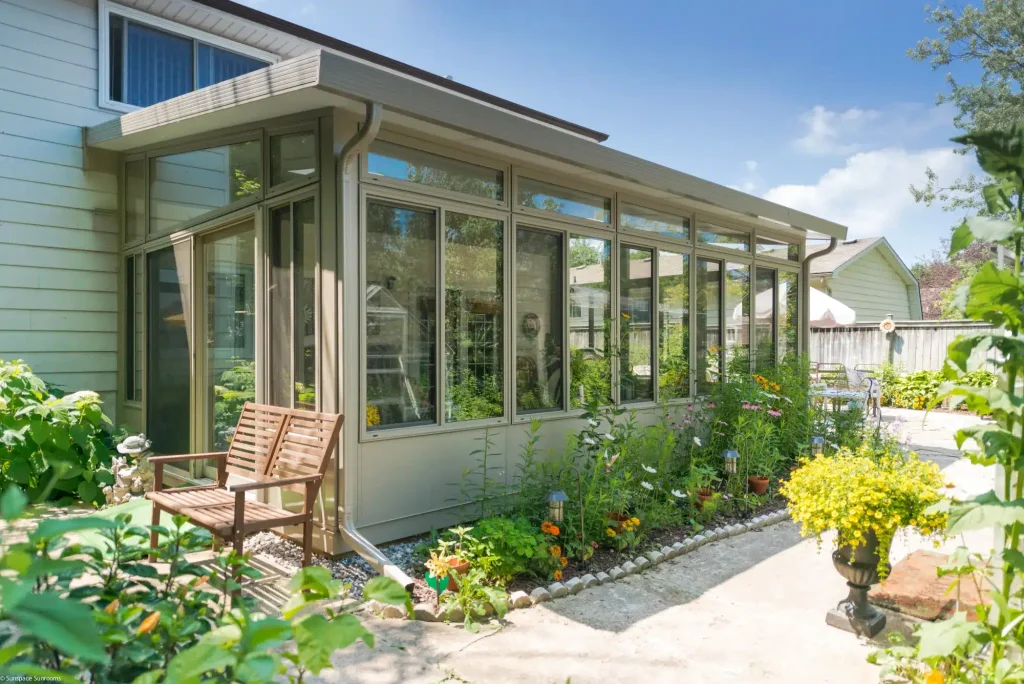
Sunroom Maintenance Guide: Seasonal Care for Greater Milwaukee Homeowners
A Sunspace sunroom is built to handle Wisconsin’s climate. The aluminum framing won’t rust. The ViewFlex vinyl won’t shatter. The insulated panels are engineered for freeze-thaw cycles. But “low maintenance” doesn’t mean “no maintenance.” A room that gets regular seasonal attention will outperform one that gets ignored, in comfort, in appearance, and in longevity. The good news is that sunroom maintenance is genuinely straightforward once you know what to check and when. Wisconsin’s four seasons create a natural framework: each seasonal transition is a prompt to inspect, clean, and prepare the room for what’s coming next. As the team behind Outdoor Oasis, with over 20 years of custom home construction experience, we’re the authorized Sunspace dealer serving the Greater Milwaukee area. This guide covers exactly what we recommend homeowners do at each seasonal transition to keep their sunroom in excellent condition year after year. Have a specific maintenance concern or want a professional inspection? Reach out to our team, and we’ll take a look. Why Wisconsin’s Climate Demands a Seasonal Approach Most of the country can get away with a once-a-year sunroom cleaning. Greater Milwaukee homeowners can’t. Wisconsin’s seasonal swings create specific stress points that a single annual check won’t catch in time. The freeze-thaw cycle is the biggest factor. Temperatures that cross the freezing point repeatedly throughout late fall, winter, and early spring put stress on seals, sealant joints, and any area where water can collect and then expand as it freezes. Catching a failing seal in October is a simple fix. Finding the same failed seal after a wet Wisconsin winter means potential water intrusion into the structure. Summer’s UV intensity and humidity are the other end of that equation. Vinyl components, sunshade fabrics, and any interior finishes need attention after months of direct sun exposure. Gutters and drainage paths also accumulate debris from spring through fall that can cause water to back up against the structure. A seasonal maintenance routine addresses all of this before it becomes a problem. Spring: Post-Winter Inspection and Cleaning Spring is the most important maintenance window of the year for a Wisconsin sunroom. After months of freeze-thaw cycles, ice, and snow load, this is when any winter damage shows up and when you can address it before the room gets heavy use. Inspect Seals and Sealant Joints Walk the perimeter of the sunroom and inspect every sealant joint where the structure meets the house, where roof panels connect to the frame, and where the base meets the foundation. Look for: Any sealant that has failed needs to be removed and replaced before the spring rain season begins. This is the single most important maintenance task for protecting the structure long-term. Check Flashing and Drainage Inspect the flashing at every point where the sunroom roof connects to the house. Flashing that has lifted, corroded, or separated is a direct path for water intrusion. Also clear any debris from gutters, downspouts, and the channel where the sunroom roof meets the house wall. A clogged gutter in spring can send water directly behind the structure. Clean Frames and Vinyl Panels Aluminum frames can be cleaned with mild soap and water. Avoid abrasive cleaners or solvents that can damage the powder coat finish. For ViewFlex vinyl panels, the same approach applies. The panels can be removed individually for easier cleaning. To clean vinyl panels: Avoid pressure washing directly at seals or track hardware. The force can drive water into areas that aren’t designed to drain it back out. Inspect and Lubricate Hardware Check all stainless steel hardware, including track rollers, hinges, door latches, and handle mechanisms. Look for any corrosion (unusual given stainless construction but possible in high-salt environments near roads), and lubricate moving parts with a silicone-based lubricant. Avoid petroleum-based lubricants, which can attract dirt and degrade vinyl over time. Check the Foundation Perimeter Walk around the exterior base of the sunroom and look for any signs of frost heave, settling, or cracking in the foundation or slab. Minor surface cracking in concrete is common after Wisconsin winters and is often cosmetic. Cracks that have grown, shifted, or show signs of water infiltration warrant a professional assessment. Summer: UV Protection and Ventilation Maintenance Summer maintenance is lighter than spring but still worth a mid-season check. The primary concerns are UV exposure, ventilation performance, and drainage after heavy rain events. Check Sunshade Fabric and Operation If your sunroom has sunshades, mid-summer is a good time to inspect the fabric for any UV degradation, fading, or tears. Also test the operation mechanism, chain-driven, chainless, or motorized, to confirm it moves smoothly and holds position correctly. Motorized systems should be tested at the motor and at the switch or remote to confirm both are responding correctly. Sunshade fabric that has faded significantly is approaching the end of its useful life. Replacement fabric is available and is significantly less expensive than replacing the full shade mechanism. Clean Glass and Acrylic Roof Panels If your sunroom has acrylic or glass roof panels, summer buildup of pollen, bird droppings, and tree debris reduces light transmission noticeably. Clean with a soft brush or cloth and a mild soap solution. Never use abrasive pads or harsh chemical cleaners on acrylic panels, as these cause surface scratches that become permanent. Clear Drainage Channels After Heavy Rain Events After significant rain events, check that gutters are flowing freely and that water is draining away from the base of the structure. Standing water against the foundation is a problem in any season but is most common in summer when heavy rain events saturate the ground quickly. Ventilation Check If your room uses a WeatherMaster vertical or horizontal window system, confirm that all panels slide and stack smoothly in summer when you’re opening them most frequently. Any resistance in the track usually indicates debris in the track channel. Clear with a soft brush and a pass with a vacuum before lubricating the track lightly. Fall: Winterization and Pre-Season Preparation Fall is the second most important maintenance