

Outdoor Oasis

Inspiration & Design

Sunroom Lighting & Decor Ideas for Greater Milwaukee Homes
Inspiration & Design

Sunroom Lighting and Decor Ideas for Greater Milwaukee Homes

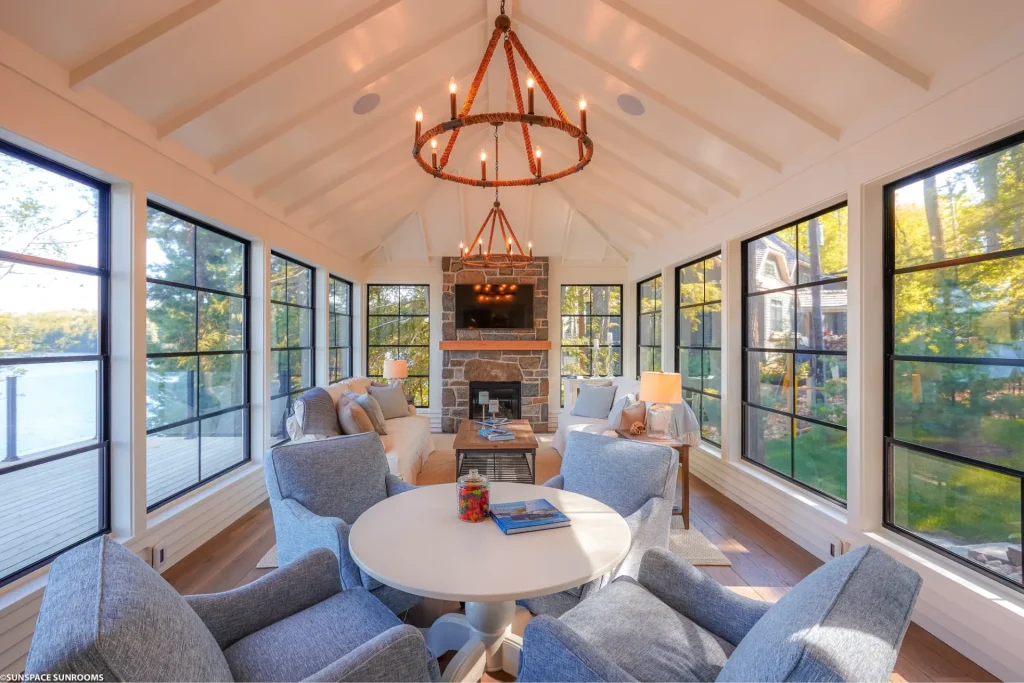
Building a sunroom is only half the project. Once the structure is up, the glazing is in, and the floor is down, you’re left with a question that a lot of homeowners underestimate: how do you make this space actually feel like a room? Sunrooms are different from standard interior spaces in ways that affect every decor decision. The light changes dramatically with the season. In Wisconsin, a south-facing sunroom that feels bright and warm in January can become overwhelmingly hot and glaring in July. A space that looks airy and open in summer can feel cold and uninviting in October if the lighting isn’t planned for after-dark use. Getting the lighting and decor right is what turns a sunroom from a structure you admire from the doorway into a room you actually spend time in every day. As the team behind Outdoor Oasis, with over 20 years of custom home construction experience, we’ve seen what makes sunrooms genuinely livable in Southeastern Wisconsin. This guide covers practical lighting approaches and decor ideas that work in real Wisconsin sunrooms, not just in catalog photos. Ready to start planning your sunroom build? Reach out to our team for a no-obligation consultation, and we’ll walk through the full project with you. As you plan your space, custom sunrooms in Milwaukee come in three main models, and the one you choose shapes your lighting and decor options from the start. Start with the Light You Already Have Before planning any artificial lighting, understand the natural light your sunroom will receive. This is the starting point for every other decision. A south-facing sunroom gets strong light all day and intense afternoon sun in summer. A north-facing room gets softer, more consistent light without direct sun exposure. East-facing rooms are bright in the morning and shaded in the afternoon. West-facing rooms get the most intense late-afternoon and evening sun of any orientation. In Wisconsin, the sun angle also shifts significantly between seasons. The low winter sun reaches deeper into a south-facing room than the high summer sun does. That same room that needs shade in July may feel perfectly balanced and warm in January. Knowing your orientation tells you where to prioritize sunshade coverage, where furniture will be most comfortable at different times of day, and how much you’ll need to rely on artificial lighting in the evenings. Lighting: The Most Overlooked Part of Sunroom Planning Most homeowners plan sunroom lighting as an afterthought. Electrical is almost never included in a base sunroom quote, and many people don’t think about after-dark use until they’re sitting in a dark room realizing they need a lamp. Planning lighting before the build is significantly easier and less expensive than retrofitting it later. Sunlight Illuminated Valances The most purpose-built lighting option for Sunspace sunrooms is the Sunlight Illuminated Valance system. It’s a hidden 12-volt LED lighting strip embedded directly into the valance, providing indirect illumination that runs the perimeter of the room. The effect is a warm, even glow that feels natural rather than clinical. The practical advantage is that it requires no separate fixture installation, no pendant wiring, and no ceiling penetration. The lighting is built into the structure itself. It’s also dimmable, which means you can shift from full brightness for evening entertaining down to a softer ambient level for relaxing. For homeowners who want to use their sunroom after dark without the visual disruption of surface-mounted fixtures, this is the cleanest solution available in a Sunspace build. Ceiling Fans with Integrated Lighting A ceiling fan with a built-in light kit serves two functions at once. It moves air in summer, which is meaningful in a sunroom that can build up heat under glass on a warm July afternoon. And it provides a central overhead light source that covers the room evenly. For a three-season room without a dedicated HVAC system, a ceiling fan is one of the most practical additions you can make. Choose a fan rated for damp locations, since a three-season room experiences more humidity variation than a standard interior space. Floor and Table Lamps If electrical was included in your build and outlets are positioned thoughtfully around the perimeter, floor and table lamps give you flexible, layered lighting that you can adjust based on how you’re using the space. A reading corner needs more directed light than a dining area. Lamps let you address those differences without committing to a fixed overhead layout. The main consideration for sunrooms is UV exposure. Standard lamp shades and some fabrics can fade in a space with significant direct sun. Choose UV-resistant materials or position lamps away from direct sun paths. String Lights and Accent Lighting String lights work well in sunrooms as a secondary layer of ambient lighting, particularly in three-season rooms that lean into an outdoor aesthetic. Draping them along the roofline or valance creates warmth without requiring fixed wiring beyond a single outlet. Accent lighting, including small spotlights or LED strip lighting under benches or along knee walls, adds depth and visual interest in the evening without flooding the space with overhead brightness. Sunshades: Where Lighting and Decor Overlap Sunshades are often thought of purely as a functional product, but they’re also one of the most significant visual elements in a sunroom interior. The shade fabric color, texture, and opacity affect how the room looks and feels at every hour of the day. Sunspace sunshades are available in chain-driven, chainless, and motorized options and provide UV protection, sun and glare control, and block unwanted light. Choosing a lighter fabric lets more diffused light through while still cutting direct glare. A darker fabric creates a more dramatic, intimate feel and provides stronger UV protection for furniture and flooring. Motorized sunshades are worth considering for rooms with significant west-facing exposure. Being able to adjust shade levels without getting up from a chair is genuinely useful when the afternoon sun shifts across the room over the course of an hour. Decor: What Works in a Wisconsin Sunroom

What Flooring Works Best for Sunrooms in the Milwaukee Area?
Inspiration & Design

What Flooring Options Work Best for Sunrooms in Greater Milwaukee?

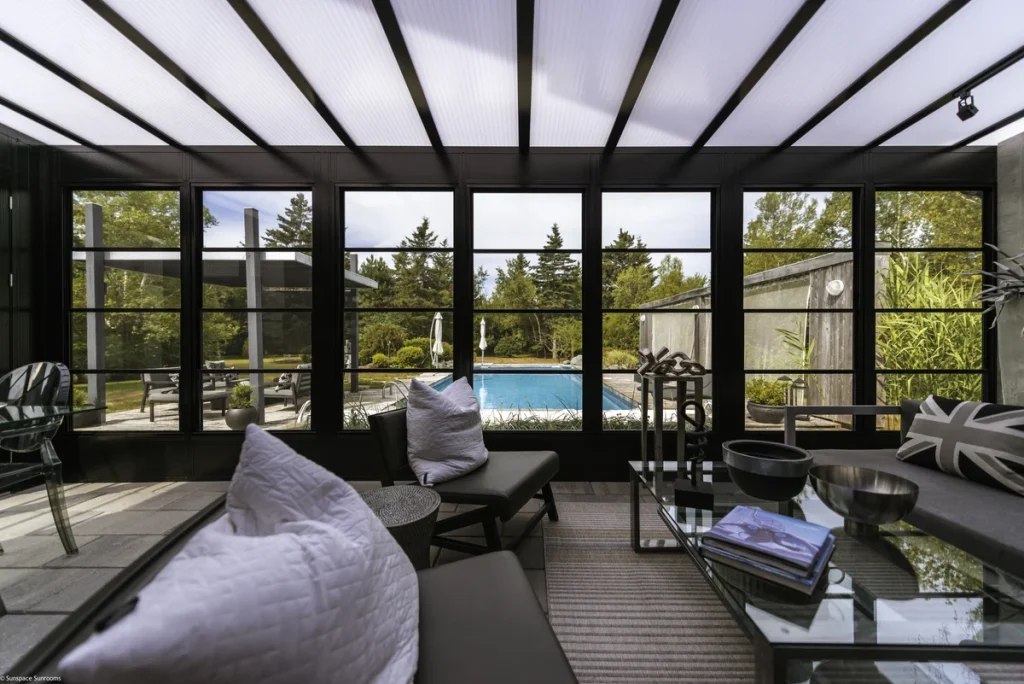
Sunroom flooring gets less attention than glazing, roof systems, and window specs during the planning process. But it’s one of the decisions you’ll notice every single day once the room is built. The wrong flooring in a Wisconsin sunroom can buckle in summer humidity, crack in winter cold, or fade badly under direct sun exposure. The right choice depends on two things: how you plan to use the space and what type of sunroom you’re building. A three-season room that sees temperature swings from 30 to 90 degrees needs a very different floor than a fully conditioned four-season room that stays at 70 degrees year-round. As the team behind Outdoor Oasis, with over 20 years of custom home construction experience, we’ve seen firsthand how flooring decisions play out in Southeastern Wisconsin sunrooms over time. This guide walks through every practical option, what each one handles well, and where each one falls short. Not sure which sunroom type fits your plans? Reach out to our team for a no-obligation consultation, and we’ll help you think through the full build, flooring included. For homeowners still deciding on their sunroom model, understanding sunroom design trends in Milwaukee can help you align your flooring choice with the overall aesthetic you’re aiming for. Why Sunroom Flooring Is Different from Interior Flooring A sunroom sits at the boundary between indoors and outdoors. Even in a well-insulated four-season build, the space experiences more direct sunlight, more temperature fluctuation, and more moisture exposure than a standard interior room. In a three-season room, those extremes are more pronounced. The floor may sit at near-freezing temperatures in early spring and reach 80 degrees or warmer in direct summer sun. Materials that perform beautifully in a living room can warp, crack, or delaminate under those conditions. The other factor specific to Wisconsin is the freeze-thaw cycle. If a three-season room isn’t fully conditioned, any moisture that gets into flooring seams or under the material will expand when it freezes. That’s particularly hard on materials with subfloor gaps or porous edges. So the standard interior flooring question, which looks best, becomes a secondary question here. The primary question is which material can handle what this specific space will put it through. Flooring Options for Sunrooms: What Works and What Doesn’t Porcelain and Ceramic Tile Tile is the most durable and climate-tolerant option for sunrooms in the Greater Milwaukee area. It doesn’t warp, doesn’t absorb moisture, handles direct sunlight without fading, and cleans up easily after outdoor foot traffic. For a three-season room that sees temperature swings, porcelain tile is the stronger choice over ceramic. Porcelain is denser, less porous, and more resistant to the freeze-thaw cycle than standard ceramic. If any moisture gets into a ceramic tile seam and freezes, the tile can crack. Porcelain handles that stress significantly better. The main drawback is comfort underfoot. Tile is hard and cold in cooler months. For a four-season room with radiant floor heating, that’s not an issue. For a three-season room, it can feel uncomfortable in early spring or late fall when the room hasn’t fully warmed up. Best for: Four-season rooms, three-season rooms on frost-protected slabs, high-traffic or pet-friendly spaces. Luxury Vinyl Plank (LVP) Luxury vinyl plank has become one of the most popular sunroom flooring choices for good reason. It’s waterproof, dimensionally stable, comfortable underfoot, and available in styles that closely mimic hardwood and stone. It handles temperature swings better than hardwood and is significantly more comfortable than tile. The caveat for sunrooms is direct UV exposure. Lower-grade LVP can fade or discolor under intense, prolonged sun. If you’re installing LVP in a sunroom with significant south- or west-facing glass, look specifically for products rated for UV exposure or use sunshades to reduce direct sun on the floor. For a three-season room, LVP performs well as long as temperatures don’t drop below its rated range during the offseason. Most quality LVP products are rated down to around 0 to 15 degrees Fahrenheit, which covers most three-season use cases in Wisconsin. Confirm the product’s temperature range before installing. Best for: Four-season and three-season rooms with UV protection in place, homeowners who want a warm, wood-look finish. Composite Decking Panels For three-season rooms built over an existing deck, composite decking panels are a practical and attractive option. They’re designed for outdoor exposure, handle moisture and freeze-thaw cycles well, and integrate naturally with the existing deck aesthetic. The Therma-Deck system used in Sunspace builds is worth noting here. It’s a pre-manufactured insulated floor deck system using Engineered Oriented Strand Board sandwiching a foam insulating core, available in multiple R-value thicknesses. It eliminates separate framing work and is designed to accept finished flooring on top, including tile, laminate, and hardwood. It can also function as the finished floor surface itself in certain applications. Best for: Three-season rooms built over existing decks, rooms where a natural outdoor feel is preferred. Engineered Hardwood Engineered hardwood offers the warmth and aesthetic of real wood with better dimensional stability than solid hardwood. Unlike solid wood, engineered hardwood uses a plywood core that resists expansion and contraction better in variable humidity conditions. That said, engineered hardwood is still wood, and wood doesn’t love extreme temperature swings or moisture. In a four-season room that stays fully conditioned year-round, engineered hardwood performs well and looks beautiful. In a three-season room, the risks are higher. Humidity changes between seasons can cause the floor to expand and contract visibly, and repeated cycling accelerates wear at the seams. If you want a wood floor in a three-season room, engineered hardwood is a better choice than solid hardwood, but tile or LVP will outlast it with less maintenance. Best for: Four-season rooms with stable temperature and humidity control. Solid Hardwood Solid hardwood is not recommended for three-season sunrooms in Wisconsin. The combination of direct sunlight, humidity changes, and seasonal temperature swings creates exactly the conditions that cause solid hardwood to warp, gap, and cup over time. Even in a four-season room, solid hardwood requires careful

Scroll to Top

Financing Available with Slice.  Contact Us Today

Slice by FNBO
Loading project...